 My curiosity was piqued when Monica Heltemes, Occupational Therapist and founder of MindStart, contacted me recently. I began to read about her line of products and felt she had something special and definitely worth sharing!
The Problem
As loved ones progress toward the middle and late stages of dementia, finding appropriate activities can present a challenge. We’d prefer not to offer coloring books and puzzles designed for toddlers, but let’s face it – options are limited. Often, we’re forced to choose between products intended for children or those that are adult-oriented but likely to be too complicated – ultimately a big source of frustration.
 Regardless of what stage they are in, dementia patients share a common desire to maintain a life of purpose. As the disease progresses, it’s increasingly critical to remember this need and make every effort to see that it is met. As cognitive function declines, this becomes more difficult; however, remaining as active and engaged as possible is vital to physical and emotional well-being.
The Solution
MindStart products are based on Monica Heltemes’ 15+ years of experience in working with dementia patients. Designs are also influenced by Reisberg’s Theory of Retrogenesis, Allen Cognitive Theory, and many occupational therapy practices.
Four characteristics make them ideal for individuals with cognitive impairment:
- Simpler design with fewer steps and less detail
- Adult-oriented themes to stimulate memories and encourage reminiscing
- An appropriate level of challenge for various stages of dementia
- Ease caregiver stress by reducing difficult behaviors and providing engaging activities
A small research study involving MindStart products was conducted at the University of Minnesota and results were encouraging. The study found that because MindStart products are adapted to meet the needs of dementia patients, they tend to require less supervision and assistance from caregivers. The patient is able to work independently, thus they experience more satisfying feelings of success and accomplishment.
Products Adapted for Dementia Patients
 As you browse the various products, you’ll note that each one includes a recommendation indicating whether it’s best for high activity (early stage), medium activity (mid-stage), or low activity (late stage).
Some of the items I found particularly interesting include:
- This is My Life Memory Book. This book includes space for photos as well as simple text prompts to help individuals record their life story. It is recommended for all stages and is a great way to encourage reminiscing. It’s also an excellent tool to help new caregivers to get to know your loved one.
- Praise and Glory Book. This book is also recommended for all levels of activity. It includes well-known hymns and beautiful images to inspire connection to one’s faith. With large print and thick-stock pages that lay flat, it can be used individually, during family visits, or in small groups.
- Chat Cards – Baby. My mom, like many dementia patients, absolutely adored babies. Even on her worst days, a visit from a small child always brought a smile to her face. These cards, featuring images of sweet babies along with conversation-starting ideas can help evoke emotions and bring memories to the surface.
 Look and Lace cards feature bright images to encourage conversation and awaken memories, but they’re also great for individuals who enjoy working with their hands. According to MindStart, the repetitive nature of lacing activities is especially useful for mid-stage patients.
Be sure to peruse all of the products when you have a chance:
- 12 and 24-piece puzzles featuring vivid colors and attention grabbing images
- Various themed music DVDs
- Games, books, and other activities
What activities have you found particularly beneficial for your loved one? One of my mom’s housemates loved folding laundry almost as much as playing games and working puzzles! At the end of the day, we all crave purpose… that doesn’t change when you have dementia.

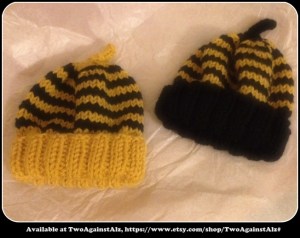 They are donating 50% of all sales to USAgainstAlzheimer’s whose bold but doable mission is to STOP Alzheimer’s & related disorders by 2020.
 The Long and Winding Road...