
Tags
alzheimer's joyful moments, alzheimers, alzheimers activities, caregiving, dementia, mara botonis, when caring takes courage
 A big “thank you” to Mara Botonis for her 3-part series entitled, In this final installment, Mara discusses a topic near and dear to my heart – Making Time for Moments that Matter. As caregivers, we’re often so overwhelmed with details, logistics, and never ending to-do lists that we lose sight of what’s important.
Years ago, my daughter gave me a copy of the book Creating Moments of Joy, by Jolene Brackey. The book reminded me that despite the hand we’d been dealt, I could still create beautiful moments of joy for my mom (and myself). You see, dementia is about moments in time; it’s the ultimate lesson in appreciating the present and “being here now.” While your loved one may not recall the experience tomorrow (or even in an hour), in the present moment, he or she is happy and that’s all that matters.
Mara Botonis is the author of “When Caring Takes Courage”, available on amazon.com. She is also the founder of Biography Based Careand is a strong proponent of person-centered care. You can learn more about her work at http://biographybasedcare.com
Caregiver Coping Strategies Part 3 of 3: Making More Time for Moments that Matter
by Mara Botonis
As a caregiver, so much of your day is necessarily about the tasks, the “to-do” list. It’s normal and completely understandable that those day-to-day, “have to do” tasks have become the day’s primary focus.
Some family caregivers wake up each morning with a prioritized plan of how they’d like the day to go. The execution of duties like ensuring that medications are taken, showers or baths are given safely, toileting accomplished, laundry, meals, dishes and appointments are taken care of and that adequate supervision is provided at all times for their loved one, often 24 hours per day, become the daily priorities. The new normal may feel a lot like just getting through our day and all that it entails.
 That “to-do” list (either recorded on paper, computer or kept mentally) is never far from most caregiver’s thoughts. Some review it in their minds as the last thing they think about before retiring each night. Weighing what was accomplished and what wasn’t. Reflecting on what they did do, didn’t do, what did get done, could’ve gotten done or should’ve been done in a kind of self-imposed audit enacted by internal order to measure and gauge their level of success or capability as a caregiver when often the only witness to their efforts is no longer able to recognize or appreciate all that they do.
While meeting your loved one’s health and safety needs are of utmost importance, there are other aspects (Spiritual/Calm, Emotional, Sense of Purpose, Social, and Intellectual Engagement) of their care as well, that, when met, can have a very positive impact on their quality of life and yours.
If you are like most caregivers I’ve spoken to over the years, you agree with the idea of spending more quality time together, but wish you had the time and energy to do so. Below are some quick tips to help you carve out more space in an already overcrowded day to make time for moments that matter.
Use a calendar to organize the day. Pencil in blocks of time, even if it’s just 10 minutes to engage in something fun (music, reminiscing, looking at photos, gently massaging your loved one’s hands or just talking without the pressure of a coherent conversation). With Alzheimer’s/dementia, the only thing we can plan on, is that most times nothing will go exactly as planned. However, having a plan does help. It can better help you get back on track and minimize the disruptions to your routine when they occur (and disruptions will occur).
 Put laughing ahead of laundry (at least sometimes!). Part of your daily goals should include at least one activity or interaction designed just for fun. Your loved one has likely lost the ability to self-initiate the satisfaction of their own needs-including the pursuit of pleasure or fun. Try making a fun interaction as much of a daily priority as medications, toileting and meals. Try it for just one week and see how it goes. Making it important to you increases the chances that it will happen for your loved one. Bottom line, if you don’t make it a priority, it probably won’t happen.
Put the past in the past. Hands down, one of the saddest things I’ve heard from families about the reasons their loved one “just sits there” or “doesn’t do anything anymore” surprisingly wasn’t related to the disease process. When I dug a little deeper, I learned it was often because their well-meaning but overworked caregivers just stopped trying to engage them in activities for a variety of very understandable reasons.
Try to objectively look at any barriers on your end that may be preventing you from facilitating fun activities and interactions. There are a lot of potential barriers to having the strength and energy to put on your “pom-poms” yet again to cheering yourselves on and up by dreaming up new and different activities to keep you both connected and entertained. Maybe your loved one lacked interest last time you tried to engage them in an activity, maybe you were just too exhausted, maybe your feelings were still hurt because of the way you were spoken to or treated yesterday. Perhaps they may not have appreciated all that you tried to do in inviting them to participate in something you really thought they might enjoy, only to be rebuffed. Maybe in that moment, whatever you were trying just didn’t work.
This is where you wipe the slate clean and remember that what happened yesterday was yesterday. Your loved one may not even remember what was said. They are probably completely unaware that you are harboring some hurt on account of their behavior. Don’t get discouraged. Today is a new day. A whole new chance to begin again. Don’t let past practices prevent future successes. Keep trying! Attempt different activity ideas, alternate times of day, and change approaches. It’s okay to keep starting over.
 Attitude is everything. Look for ways to make the mundane magical. Have a plan for when you feel that you are starting to get stressed out and feeling overwhelmed. “Stop” and do something fun for a few minutes. Think about all the people you have met over your lifetime. Do you remember special family, friends, schoolmates, neighbors, teachers, and others you’ve met over a lifetime? Chances are the ones that stand out, your favorites, are remembered that way not because of what they did for you, but because of how they made you feel.
We remember the kind of person who makes going to the grocery store a grand adventure because when you’re with them everything seems more fun. We cherish this kind of person. Who never makes you feel like you’re a bother, the person who looks forward to seeing you every time you meet and the person who loves you unconditionally and thinks that you can do no wrong? Who wouldn’t want to know and spend their day with a person like that? Do you know a person like that? Are you a person like that? It’s okay to be a bit whimsical, a little silly and a whole lot ridiculous sometimes. Look for fun wherever you can find it and try to find the humor in all things. Be the person you would want to spend your day with and your loved one will have a better experience with you and you with them.
Start small. Have reasonable expectations. Instead of trying to meet one need from each spoke each day at first, try picking one per day. Always try to set aside 10-15 minutes per day for an enjoyable activity. As you find what works best for you and your loved one, you can gradually start adding additional times for activities. Remember, this is for fun…not an obligatory “to do” list but rather a “let’s see how many ways we can find to play today” list.
 Make what you’re already doing an adventure. One of the easiest ways to create more meaningful and fun experiences for your loved one is to turn your everyday activities into something exciting. Asking your loved one for help, adding their favorite music or foods can make every day routines something to look forward to. Think of ways to make tasks into games, outings into adventures and chores into cheerful choices of things that they want to do rather than tasks that you feel you have to accomplish.
Look for ways to build in positive reinforcement. Praise and recognition can make anything better. When one feels like there is no way to do it wrong, fail, or embarrass oneself, you are more likely to try new things or enjoy ones that you may not be as good at as you once were. Creating a space of unconditional acceptance means a better experience for both you and your loved one. If things spill, break, or don’t go the way you thought; it’s okay. What matters isn’t what you DID but how you both FELT. If the cookies you made together burnt or tasted terrible because too much salt was added to the batter, no problem. Focus on the fact that you both loved licking the spoon or eating the dough beforehand, that’s a success! Find things along the way to compliment and celebrate. Thank your loved one often for their ideas and contributions.
Find ways to be flexible. Your idea of an activity may be very different than what actually happens. Okay, you’ve got the puzzle pieces out or have lovingly found a stack of old photo albums and you’re ready to reminisce or play. But…you’re the only one that seems to have any interest in that. Instead, your loved one is more interested in staring out the window, picking imaginary lint off of their pants, or looking for their car keys. Alzheimer’s is unpredictable. Go with the flow. Find a way for you to fold into what they are doing or what they are interested in instead of trying to force them to do what you want them to do.
 If they are staring out the window, put on a nature CD with bird songs, get out a bird book or magazines with pictures of nature. Go for a short walk outside, fill the bird feeder or take them with you to check the mail if weather permits. If they are fussing with clothes, use it as a chance to change outfits or offer a bathroom break. They may be signaling you that they are uncomfortable in their clothing (let’s go pick out something different to wear) or they have to use the bathroom or that they’d just like to do something with their hands (get something soft out for them to fold and touch). Let them lead you with the cues they are giving based upon what they are doing, or saying and learn to use that to support their unmet needs in that moment. That’s an activity and that’s okay!
Set about seeing the successes in front of you. The very act of your loved one sitting near you, talking with or looking at you is an indicator that they are interested, engaged, and enjoying being with you. What words they use or what they do isn’t as important as how they feel. The fact that your loved one wants to interact with you is what really matters. They may not always be able to tell you or show you how they feel about you the way they did in the past, but these moments of little connections with each other are symbolic of a greater love. Being together, being happy no matter what you are doing or saying is a success in itself. Right then and there, that’s an out of the park home run!
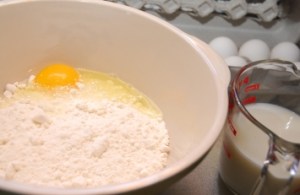 If you didn’t finish, don’t fret. What if your loved one walks off seconds after you start what you’re sure was going to be a really fun activity? Or what if they start an activity and a few moments into the interaction they retreat to a place you can’t reach them? It’s okay. Focus on the time you had that you both felt connected, that they did participate. Make a mental note about what worked. What time of day, or circumstances surrounded the parts of the activity that they liked the best? What did the house sound like, smell like? What things did they show the most interest in and when? If the only part of making cookies together they seem to enjoy is stirring or putting their hands through the dry ingredients, then don’t feel like you actually have to bake the cookies. There is nothing wrong with only doing the parts that they enjoy.
“Shop” the supply store in your house. We all have closets, drawers, attics and garages full of everyday items that can be called into service when it comes to creative ways to engage your loved one. There are many organizations that make a big business out of selling very expensive, pre-packaged special activity supplies for persons with Alzheimer’s/dementia that support sorting, reminiscing, and fun in a way that engages your loved one physically and cognitively. However, you don’t need a set of colorful wooden blocks, plastic shapes or a special set of books and puzzles to play a game. The truth is, a lot of what you can use to engage your loved one, are items you already have around the house. The added benefit that these items may be familiar on some level to your loved one because they belong to your home and are a part of your shared history only makes it more meaningful.
____________
How do you create “moments that matter” with your loved one? We’d love to hear your ideas.
If you’ve enjoyed Mara’s series here on The Long and Winding Road, stay tuned! In the coming weeks, I’ll be reviewing her wonderful book, “When Caring Takes Courage” and giving a copy to one lucky reader!
 Many of us have had a mentor at one time or another during our lives. They guide us, offer words of wisdom, and provide feedback on our ideas or problems. A teacher may serve as a student’s mentor, or someone in a more senior position at work may mentor a less experienced associate. The role might be formal or informal. There are no set rules, but generally the relationship involves trust, counsel, and mutual respect.
 Those involved in this project know firsthand how frightening it is to hear the words, “You have dementia.” Imagine hearing those words, then being handed a prescription and told to “come back in six months.” In many cases, that’s exactly what happens. Chris Roberts of Wales describes being stunned and in shock, head spinning such that he didn’t know where to turn.
 Harry is quick to encourage people not to give up, assuring them they do have a meaningful life ahead of them. In this digital world where Google has become our best friend, it’s vital for folks to realize that when they hit the Internet for information, they will likely be bombarded with material about the later stages of the disease. The disease isn’t JUST the later stages! Yet, there tends to be very little information out there about the earlier stages. This is where Dementia Mentors comes in.
 The Dementia Mentors tagline says it best, “Mentoring, Motivation, and More. We Help You Rule Your Dementia.” I truly believe that is the key – rule it, don’t let it rule you. We didn’t do that with my mom. At that time, we didn’t even talk about it let alone think there might be a way to connect her with others who could understand her fears so much more than we could. What a blessing that would have been…
 The Long and Winding Road...